What consumers should know: Rights, benefits, and how to choose products with DPP
By Marta Escabias
The transition towards a circular economy in Europe is transforming the way we produce, consume, and recycle consumer goods. One of the key instruments of this transformation is the Digital Product Passport (DPP), an initiative promoted by the European Union that seeks to guarantee greater transparency, traceability, and sustainability in the market.
Although the DPP represents an important change for manufacturers and regulators, the main beneficiaries will be the consumers. Thanks to this tool, citizens will have access to previously inaccessible information about the products they purchase: from their origin and composition to their environmental impact and recycling possibilities. In this article, we will explore the rights that the DPP grants to consumers, the benefits it provides, and how to responsibly choose products with this digital passport.
1. Consumer rights in the DPP era
The European regulations that promote the Digital Product Passport not only seek to protect the environment but also strengthen consumer rights. Among the most relevant are:
Right to transparent information
With the DPP, consumers will be able to easily access detailed and verifiable information about a product, including:
- Materials used and their origin.
- Environmental impact associated with production.
- Indications of durability and repairability.
- Clear instructions for recycling or management at the end of its useful life.
Right to responsible and safe consumption
The traceability offered by the DPP protects consumers against fraud, low-quality products, or misleading information. As the data is recorded on secure platforms—in many cases supported by blockchain, such as the iBS solution from iCommunity—it is guaranteed that the information cannot be manipulated.
Right to compare and choose freely
One of the great advances of the DPP is that it will allow comparing products based on their sustainability. This gives the consumer a real power of choice, as they will be able to differentiate between a product that meets environmental criteria and one that does not.
2. Benefits of the DPP for consumers
Beyond rights, the DPP provides a series of practical and direct advantages to citizens:
- Greater confidence in purchases: by having verifiable data, the consumer will be able to safely choose products aligned with sustainability and quality values.
- More responsible decisions: information on repairability and durability helps to opt for long-lasting goods, reducing the need for frequent replacement.
- Long-term savings: although a sustainable product may have a higher initial price, its durability and ease of repair reduce costs in the medium and long term.
- Ease of recycling: the DPP includes clear instructions for the correct management of the product at the end of its useful life, making it easier for the consumer to actively contribute to the circular economy.
- Access to more innovative products: companies that implement the DPP will tend to stand out for their innovation and environmental commitment, which opens up the possibility for consumers to access more advanced and sustainable goods.
3. How to identify and choose products with DPP
The success of the Digital Product Passport will depend largely on consumers knowing how to recognize and use it. Some key aspects to do so are:
Look for the digital identifier
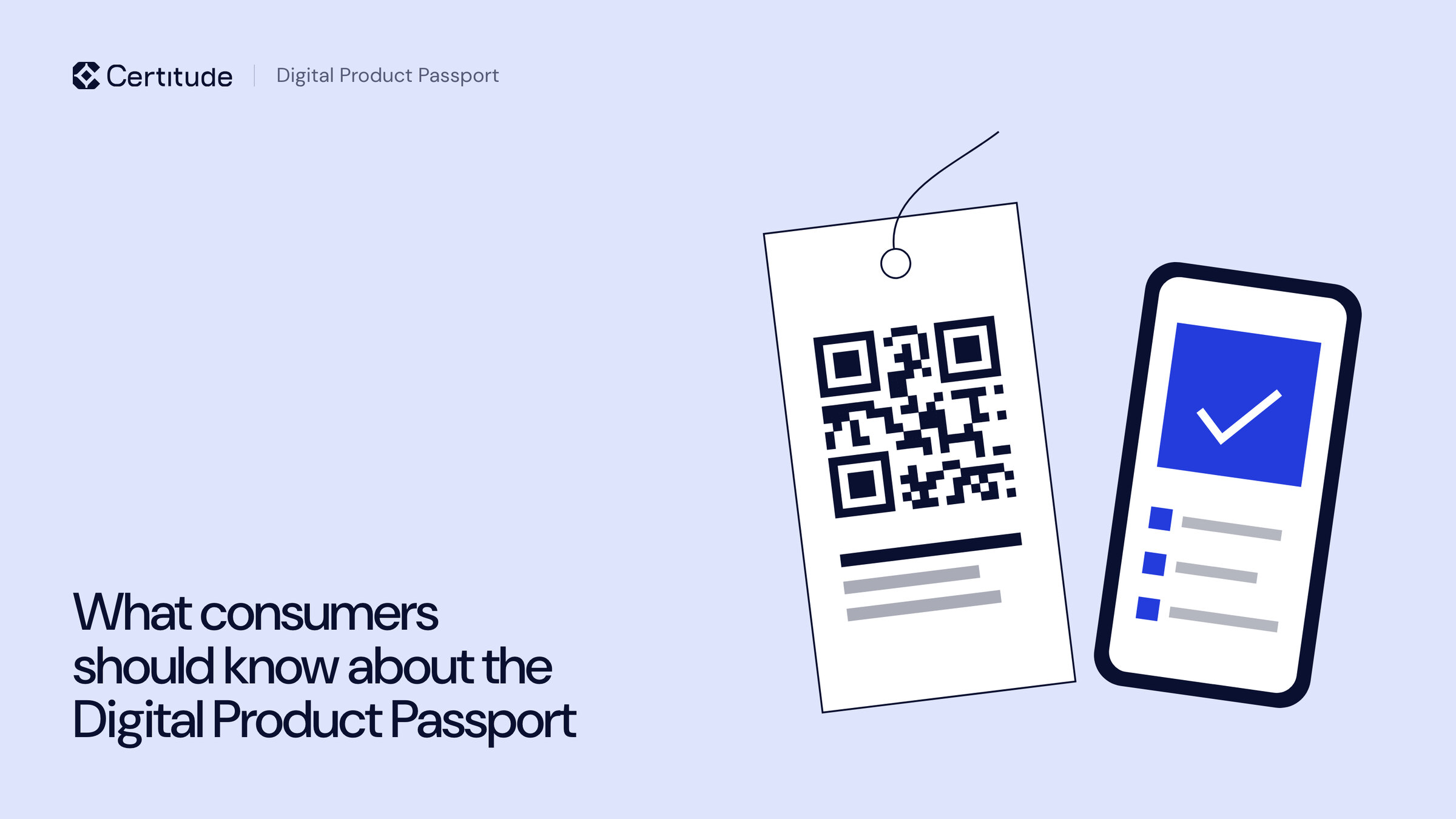
Each product with DPP will have a unique QR code or URL, which will give immediate access to relevant information. The consumer will only need to scan the code with their smartphone to consult all the data.
Review the essential information
Before buying, it is advisable to look at:
- Origin of the materials: do they come from recycled or sustainable sources?
- Environmental impact: what carbon footprint does the product generate?
- Durability: how many years of useful life are estimated?
- Repairability: can spare parts or repair services be easily found?
- Recycling options: what should be done with the product at the end of its useful life?
Prioritize transparency and verification
A product with incomplete or difficult-to-verify information should generate distrust. Consumers should prioritize brands that offer clear, certified data backed by secure technologies such as blockchain.
Compare similar products
The DPP will be especially useful when comparing products within the same category (for example, two mobile phones or two garments). The possibility of evaluating not only the price but also the environmental impact and quality will allow for smarter purchases.
4. The role of consumers in the circular economy
The Digital Product Passport is not only a consultation tool: it is also an instrument of social change. Its success will depend on consumers adopting an active and conscious mentality.
- Demand transparency: by choosing products with DPP over those that do not have it, consumers will send a clear signal to the market, encouraging more companies to join.
- Value sustainability over immediate price: prioritize durability and repairability over rapid consumption.
- Contribute to responsible recycling: use the information from the DPP to correctly manage products at the end of their useful life.
- Educate and share information: spread the value of the DPP among family, friends, and communities, multiplying its social impact.
5. iPASS: an ally for the consumer
The theory behind the DPP is solid, but its implementation requires technological solutions that are secure, simple, and accessible. This is where iPASS, the Digital Product Passport developed by iCommunity, comes in.
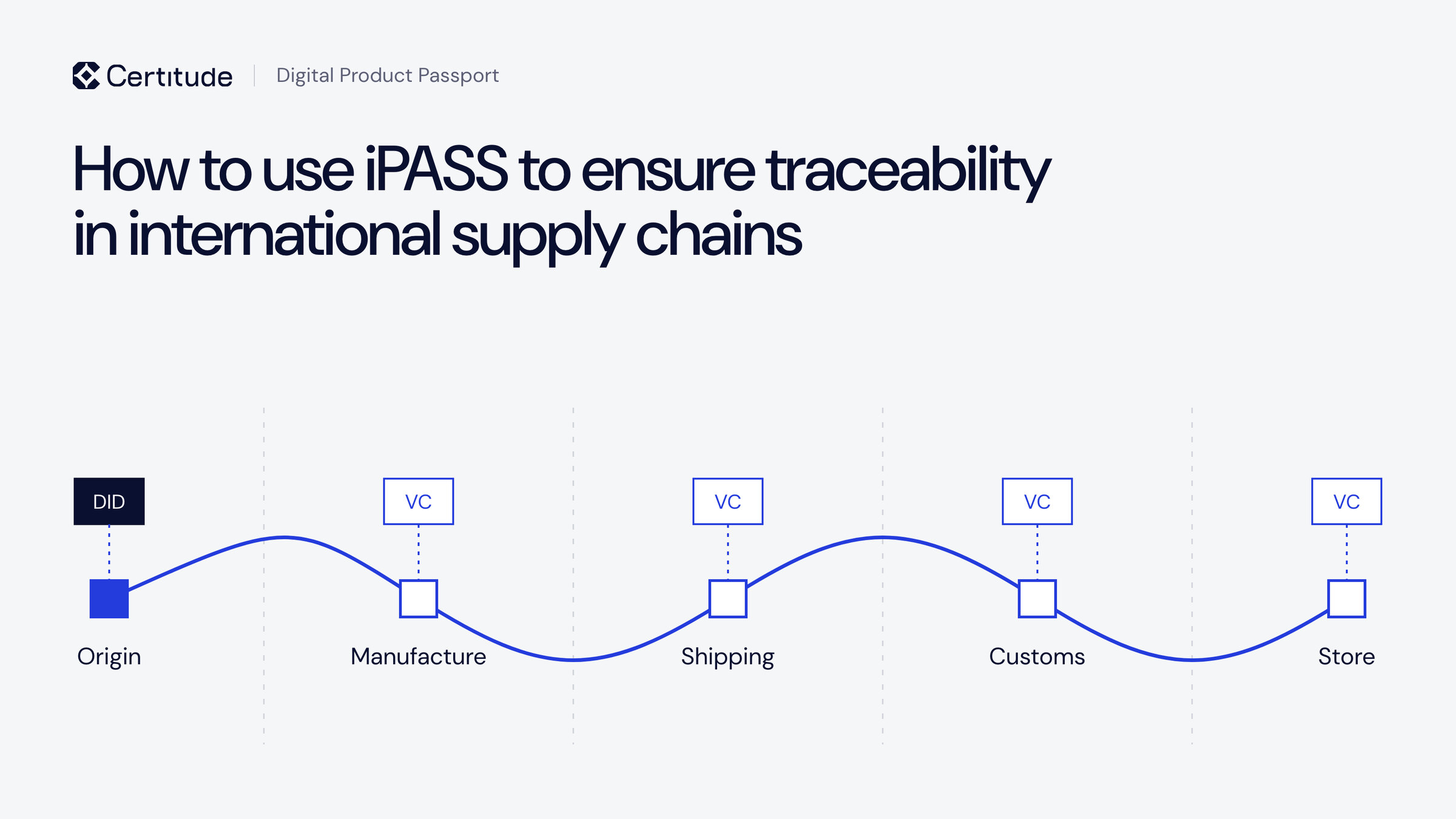
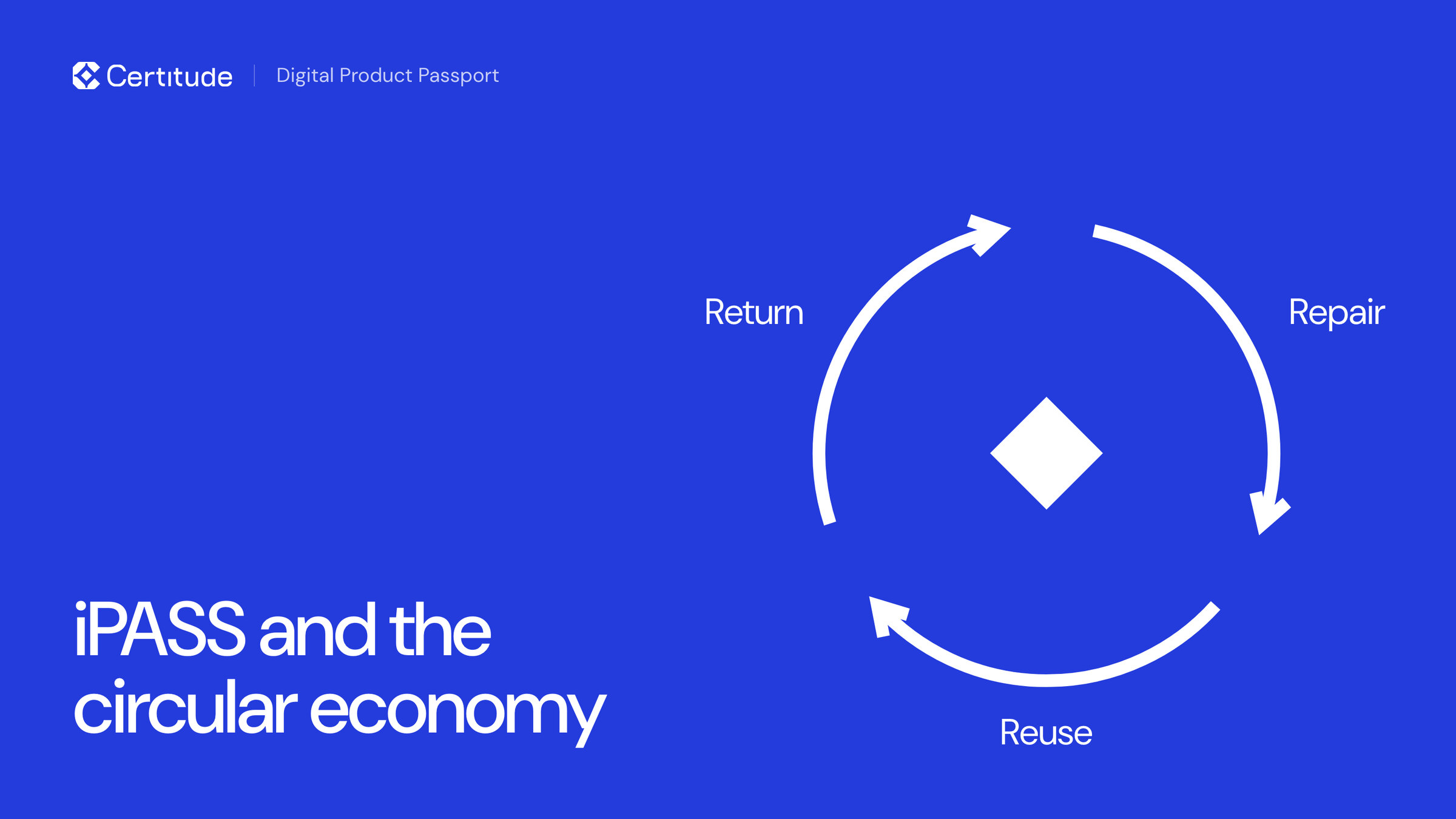
iPASS accompanies each product throughout its entire life cycle—manufacturing, use, maintenance, repair, reuse, and recycling—and generates verifiable credentials (VCs) for each milestone. These credentials are digitally signed using Decentralized Identifiers (DIDs) and registered through iBS, the iCommunity blockchain platform. The result is a system where information is transparent, immutable, and easily accessible through a simple QR.
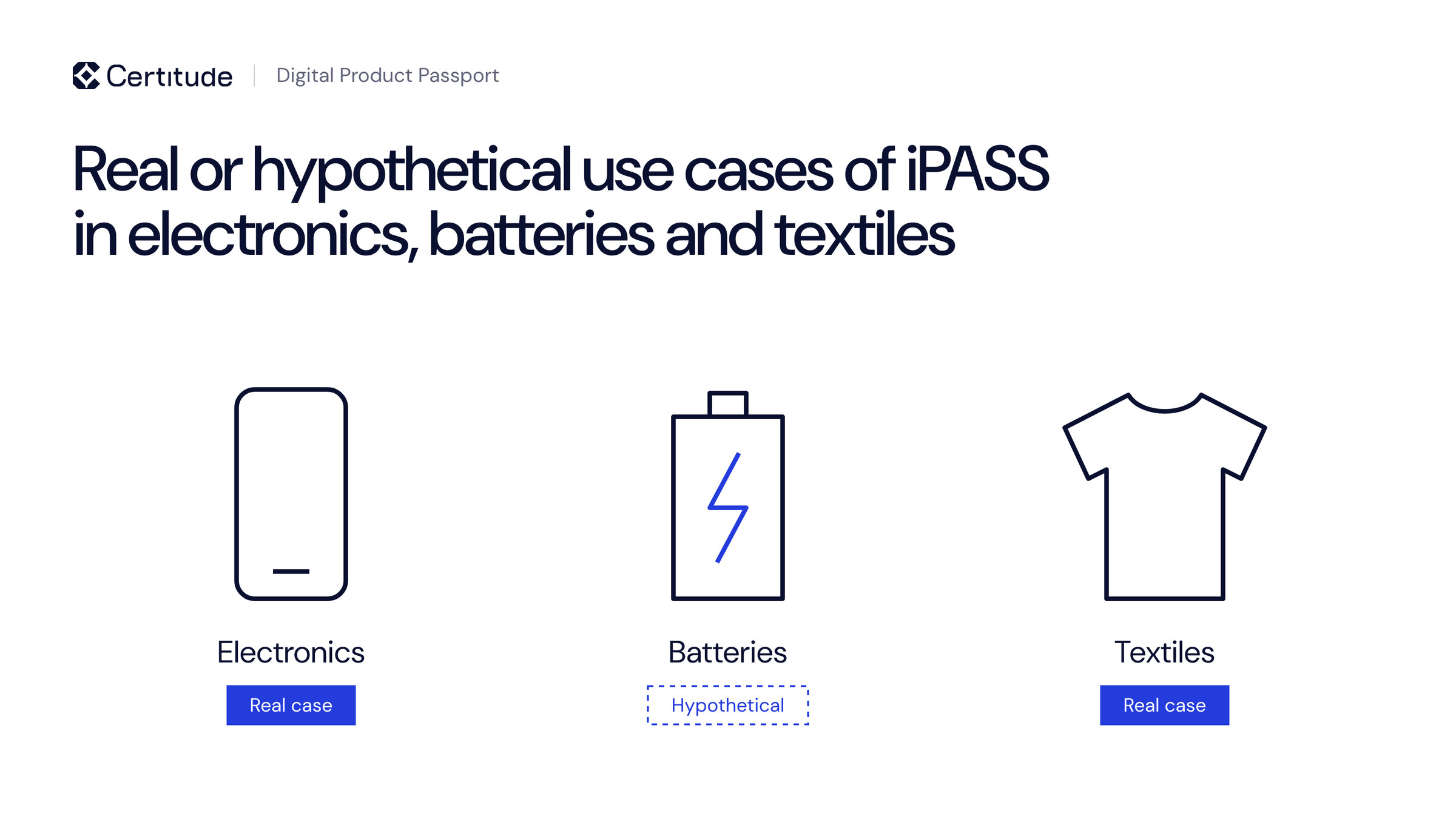
For the consumer, this means that the data is not just a promise from the brand but verifiable facts that cannot be altered. Furthermore, being designed for key sectors such as electronics, batteries, and textiles, iPASS ensures that citizens can access clear and comparable information in some of the most critical areas of current consumption.
6. Conclusion: a future of conscious and transparent consumption
The Digital Product Passport is called to transform the way consumers relate to the market. With it, citizens not only acquire a good but also a set of data that allows them to buy with knowledge, confidence, and responsibility.
The benefits are multiple: from greater transparency and trust in brands to the possibility of saving money in the long term and actively contributing to the care of the planet. However, for this change to be real, it is essential that consumers adopt an active role, demanding products with DPP and using the information it offers to guide their purchasing decisions.
On this path, solutions like iPASS become strategic allies that make the DPP a viable and reliable tool, bringing Europe—and the world—closer to a truly circular and sustainable economy.