
The Digital Product Passport (DPP) is one of the most transformative measures promoted by the European Union within its sustainability and circular economy strategy. Starting in 2026, key sectors such as textiles, electronics, batteries, and construction materials must incorporate a verifiable digital history in each product, accessible to consumers, distributors, and authorities.
The implementation of the DPP is not only a regulatory challenge: it represents a profound cultural and operational change in the way manufacturers and operators manage their product information. In this article, we explore the role these actors play in the transition to the DPP and how tools such as iPASS, developed by iCommunity, can facilitate this process.
Manufacturers and operators: Key players in the transition
The DPP will only be effective if manufacturers (who design and produce the goods) and value chain operators (distributors, retailers, logistics companies, repair shops, or recyclers) assume an active role.
These actors are responsible for:
- Generating reliable data about products at each stage of their life cycle.
- Sharing this data in a common and verifiable format, complying with European standards.
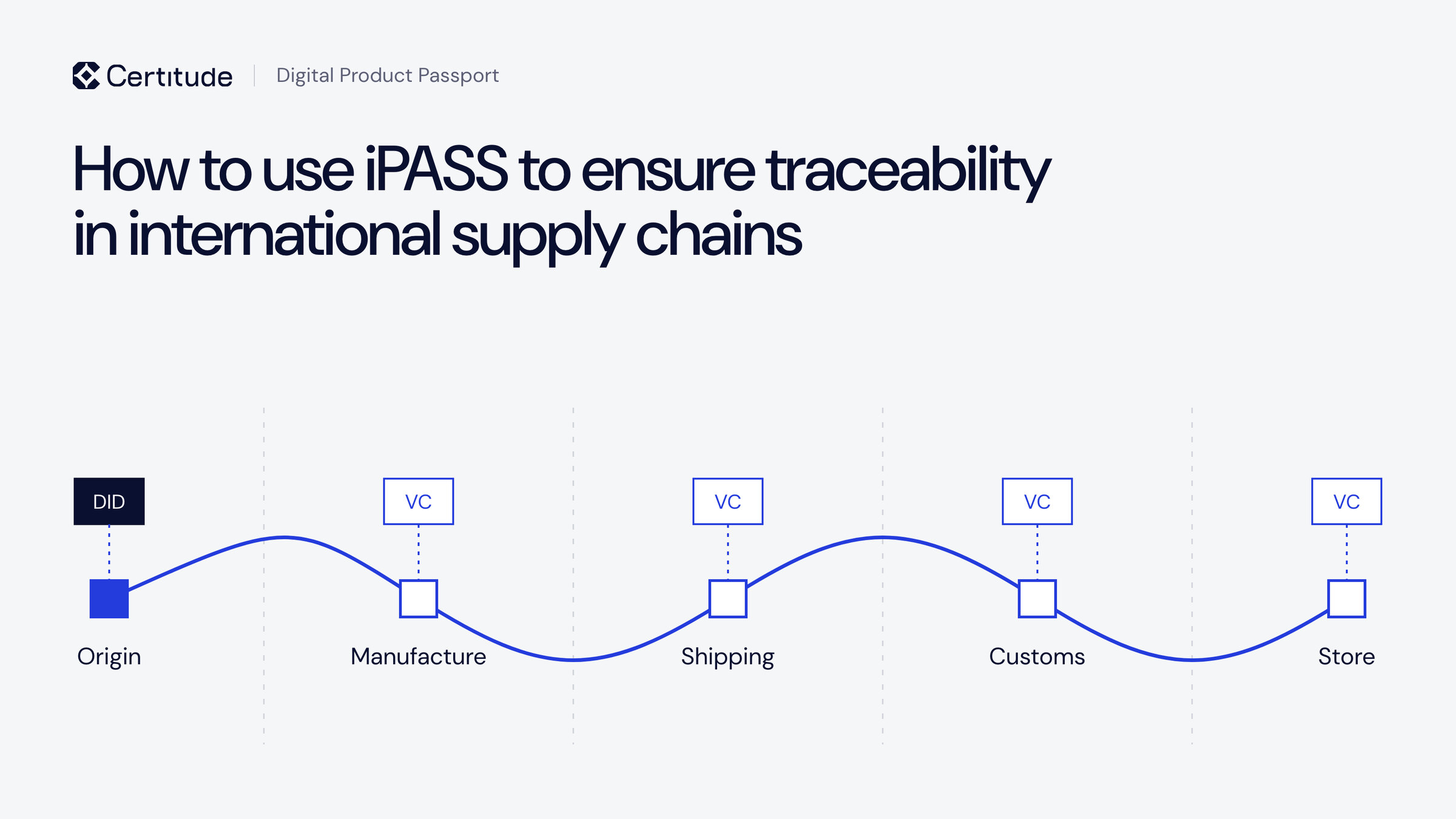
- Ensuring traceability and constant updating of the digital history.
In other words, they are the ones who feed the DPP and ensure that it is a useful tool, and not just a bureaucratic requirement.
The impact of the DPP on the industry
The arrival of the DPP implies that manufacturers and operators must transform several aspects of their management:
- Digitization of processes: information that was previously scattered in invoices, certifications, or internal databases must now be converted into verifiable credentials.
- Interoperability: data must follow European standards (W3C VC, DID, JSON-LD) so that it can be read in any system.
- Shared responsibility: each actor in the value chain has to contribute their part of the information, from the raw material supplier to the recycler.
- Audit and transparency: regulators and consumers will be able to verify the information in real time, reducing the margin for greenwashing.
Although it may seem like a challenge, this transformation also opens up opportunities to differentiate themselves in sustainability, gain trust, and access more demanding markets.
How iPASS facilitates DPP compliance
At iCommunity, we developed iPASS as a platform that allows manufacturers and operators to easily issue, manage, and share digital product passports, complying with European regulations. The main functionalities it offers are:
- Creation of verifiable credentials for each product milestone (manufacturing, distribution, repair, recycling).
- Assignment of unique Digital Identifiers (DIDs) for each asset, ensuring authenticity.
- Registration in blockchain (iBS) to guarantee the immutability and public consultation of the data.
- Control panel for manufacturers and operators, where they can easily manage their product information.
- Access for consumers through a QR/URL that allows them to view the complete history of each product.
With iPASS, manufacturers not only comply with the regulation, but also turn the DPP into an added value for their brand.
Sectoral use cases
Textiles and footwear
Manufacturers must document the origin of fibers, the use of sustainable dyes, and the manufacturing processes. With iPASS, they can issue verifiable credentials that accompany each garment, accessible to the consumer through a simple QR.
Electronics
Electronics manufacturers must certify the origin of critical minerals, energy consumption, and repair history. iPASS allows this information to be recorded immutably, combating planned obsolescence.
Batteries
Manufacturers of industrial and electric vehicle batteries will have to report on carbon footprint, origin of raw materials, and recycling capacity. With iPASS, each battery can have a unique digital history that accompanies it throughout its useful life.
Construction materials
Companies in steel, cement, or insulation must document emissions, energy efficiency, and resource use. iPASS facilitates the creation of digital passports that provide confidence to developers, architects, and regulators.
Benefits for manufacturers and operators
Adopting iPASS to comply with the DPP offers concrete advantages:
- Simplified regulatory compliance: avoids penalties and facilitates audits.
- Transparency and reputation: brands that commit to traceability gain consumer trust.
- Competitive differentiation: offering products with a verifiable digital passport will be an added value in the market.
- Operational efficiency: digitizing and standardizing information reduces errors and administrative costs.
- Access to green financing: companies that comply with the DPP will be able to access funds and incentives linked to sustainability more easily.
Adoption challenges
The implementation of the DPP is not without difficulties for manufacturers and operators:
- Initial digitization cost, especially for SMEs.
- Need for collaboration between multiple actors in the supply chain.
- Lack of training in digital and blockchain standards.
- Resistance to change, in sectors accustomed to manual processes and traditional documentation.
This is where the technological and strategic support of solutions such as iPASS is essential to facilitate the transition.
The future: Manufacturers as guardians of trust
Beyond complying with regulations, manufacturers and operators are called to become the guardians of trust in the European market. By ensuring that each product has a verifiable digital history, they will be:
- Offering total transparency to the consumer.
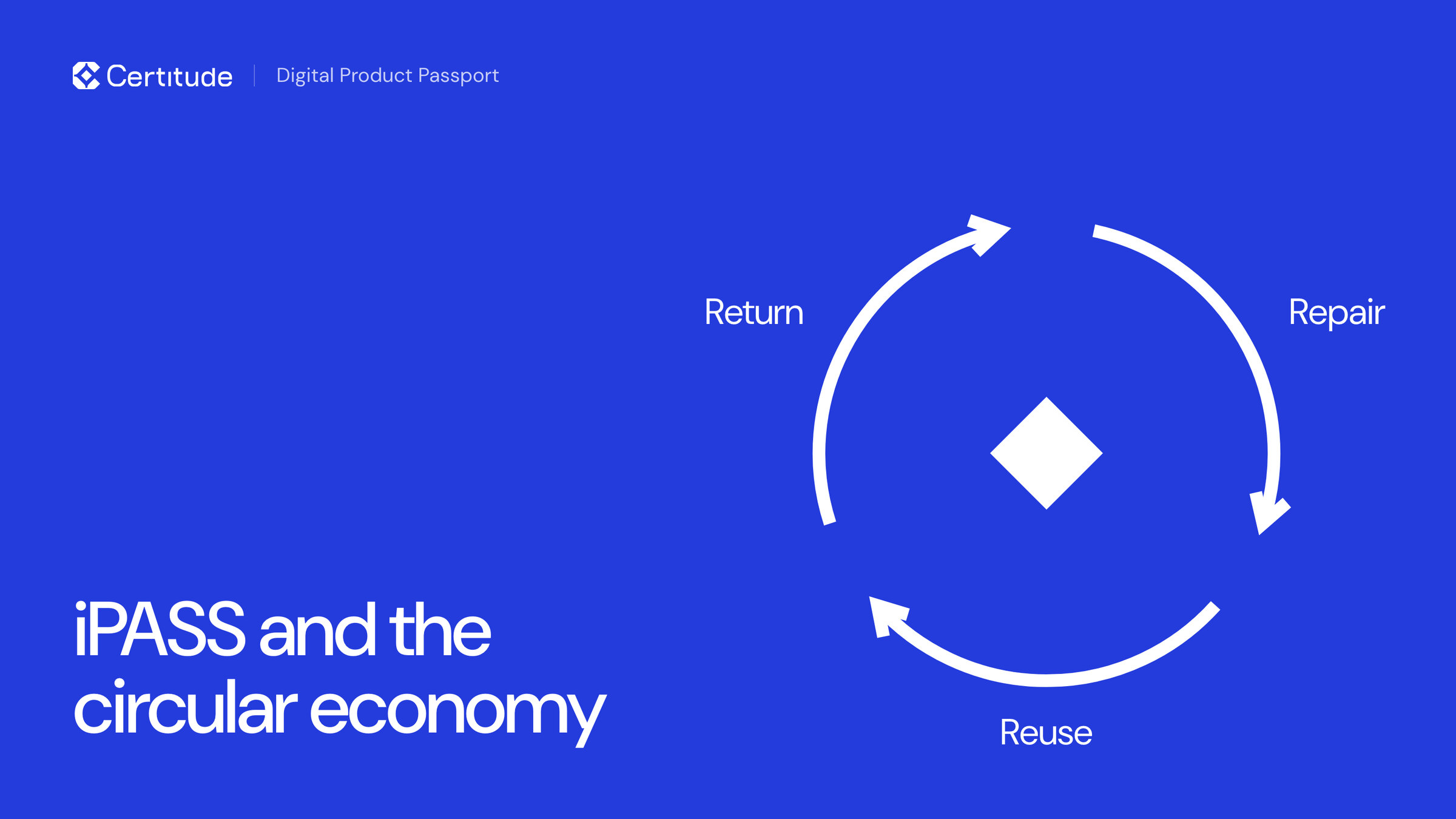
- Contributing to a more circular and sustainable economy.
- Generating new business models based on reuse, second-hand sales, and recycling.
- Preparing for an expansion of the DPP to more sectors in the coming years.
The Digital Product Passport is much more than a regulatory obligation: it is a structural change in the way we produce, consume, and manage goods.
Manufacturers and operators play a central role in this process, as they are responsible for generating, storing, and sharing the information that will bring the DPP to life. With tools such as iPASS, they will not only be able to comply with European regulations, but also take advantage of them to gain competitiveness, transparency, and reputation.
The future of the industry will be digital, traceable, and sustainable, and the manufacturers who adopt these solutions first will be the leaders of the new circular economy.